

As schools across India reopen and families settle back into their routines, many parents find themselves asking the same question every morning: What should I pack in my child’s lunch box today?
For some parents, the challenge is making lunch nutritious. For others, it’s making sure the food actually gets eaten. Most have experienced opening a lunch box after school only to find that the vegetables were ignored or the main meal came back untouched.
The truth is that creating a healthy lunch box doesn’t have to be complicated. You don’t need expensive ingredients, imported superfoods, or elaborate recipes. In fact, many of the foods that contribute to a balanced lunch for kids are already part of everyday Indian kitchens.
A well-planned lunch can help children stay energized during classes, remain focused during lessons, and avoid relying on packaged snacks when hunger strikes. The key is including a healthy balance of protein, complex carbohydrates, fruits, healthy fats, and hydration.
Why a Balanced School Lunch Matters
Children today lead busy lives. A typical school day often includes morning assembly, classroom learning, physical activities, sports periods, and after-school commitments. During these hours, their bodies and minds are constantly working.
The lunch they carry to school isn’t just another meal—it’s the fuel that helps them get through the most active part of their day.
A nutritious school lunch can help:
- Provide sustained energy throughout the day
- Support healthy growth and development
- Improve concentration and learning
- Reduce dependence on processed snacks
- Encourage healthy eating habits from an early age
On the other hand, lunches that rely heavily on packaged foods, sugary drinks, or refined carbohydrates may leave children feeling hungry, distracted, or tired before the school day ends.
What Does a Balanced Indian Lunch Box Look Like?
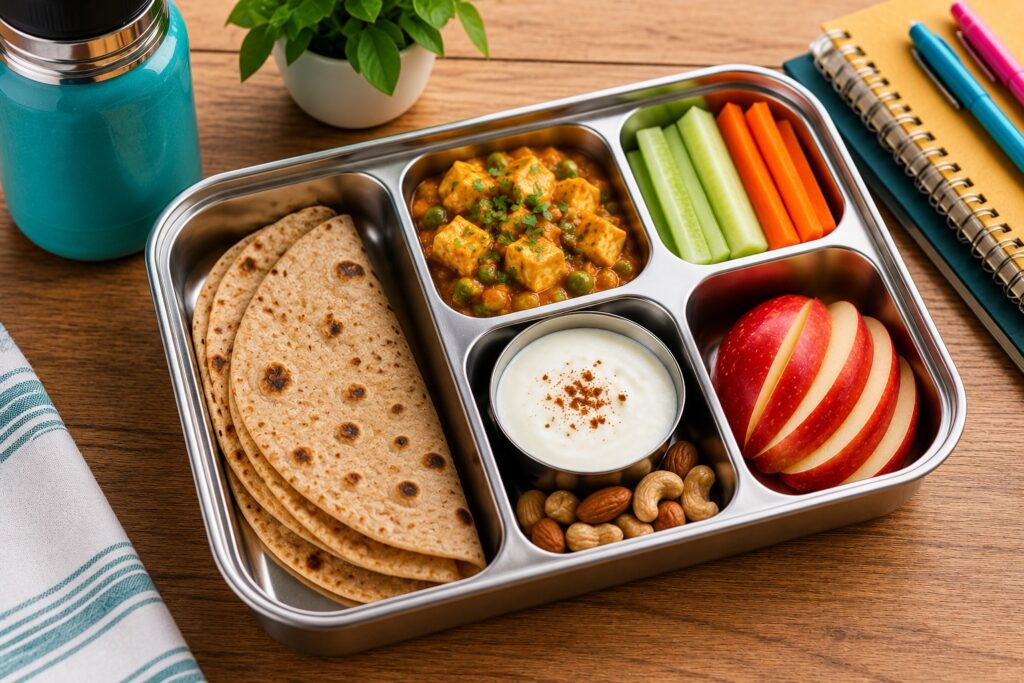
When nutritionists talk about balanced meals, many parents assume they need exotic ingredients or complicated meal plans. In reality, some of the best lunch boxes are built around foods that are already staples in Indian households.
A simple lunch box containing:
- Two whole wheat chapatis
- Bhindi, mixed vegetables, or paneer sabzi
- A small portion of cucumber and carrot sticks
- Seasonal fruit
- Water or buttermilk
already covers many of the nutritional requirements children need during the school day.
The goal isn’t perfection. It is consistency.
Children benefit far more from regularly eating balanced, home-style meals than from occasional “perfect” lunch boxes that are difficult to maintain.
Protein: The Nutrient That Keeps Children Fuller for Longer
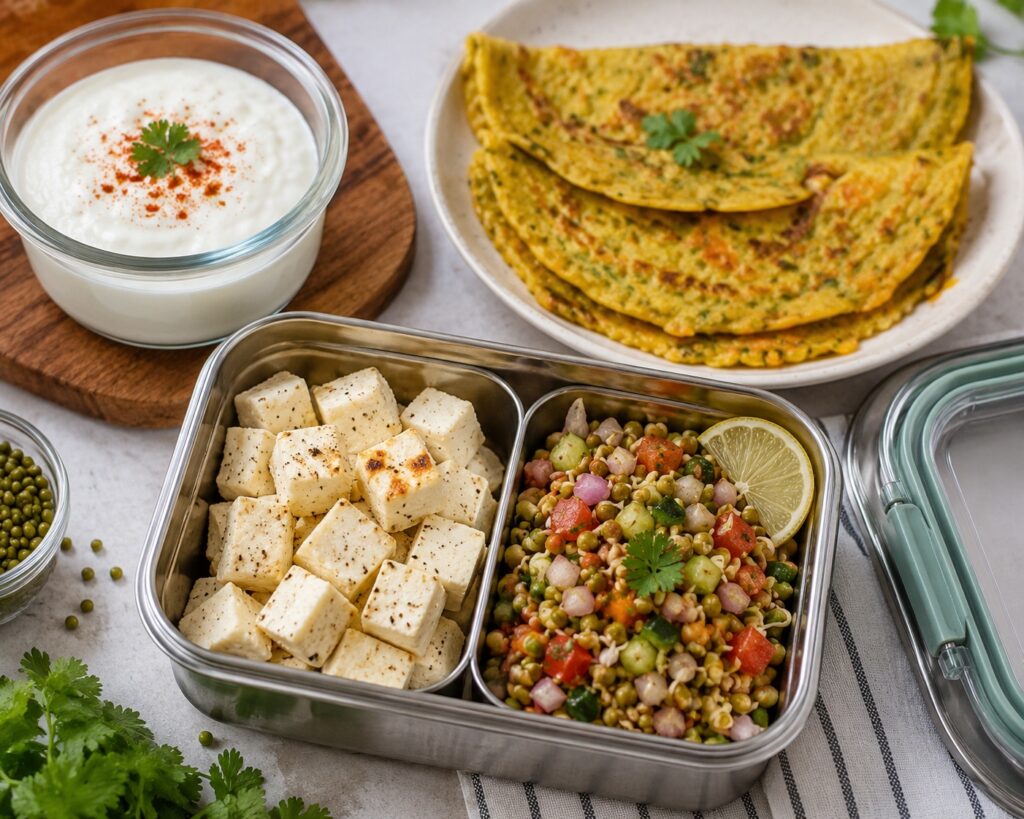
One of the most common mistakes parents make is packing a lunch that is rich in carbohydrates but low in protein.
Protein plays a vital role in growth and development. It helps build muscles, supports tissue repair, and keeps children feeling satisfied between meals.
If your child often comes home extremely hungry despite finishing lunch, a lack of protein could be one reason.
Easy Protein Sources for Indian Lunch Boxes
- Paneer
- Boiled eggs
- Sprouts
- Moong dal cheela
- Chickpeas and black chana
- Tofu
- Homemade curd
- Lentil-based preparations
A paneer wrap made with whole wheat roti or a serving of sprouts chaat can be a practical way to include protein without making lunch complicated.
Complex Carbohydrates: A Steady Source of Energy
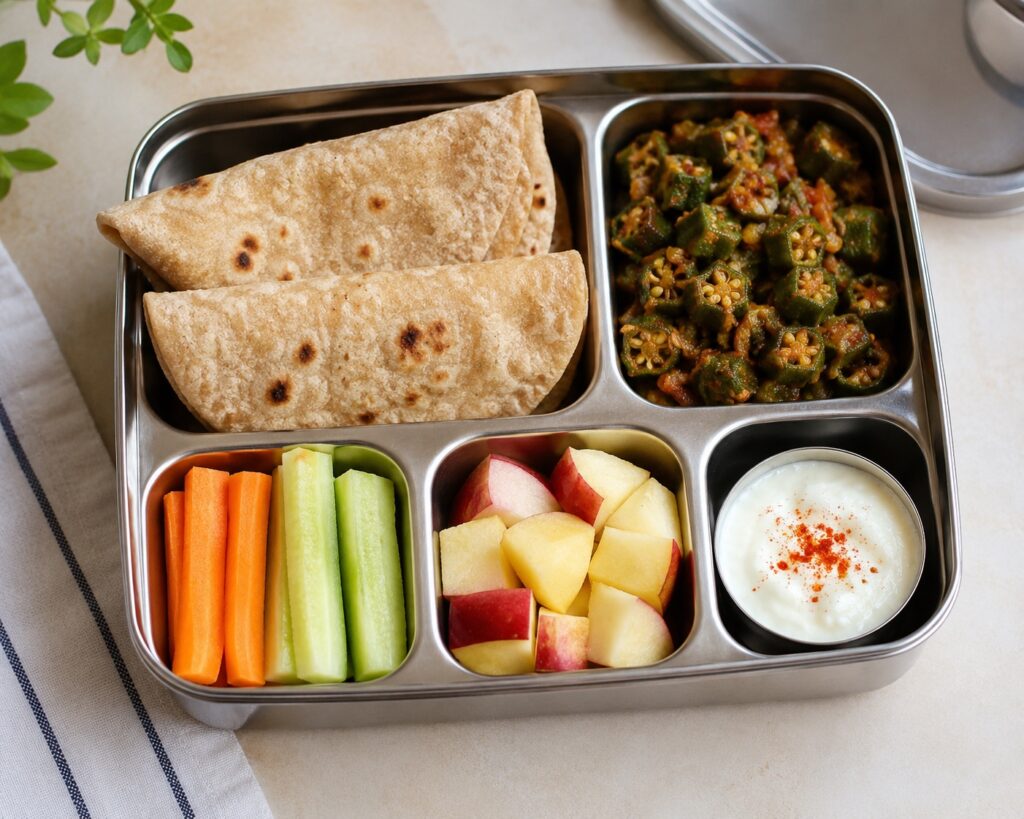
Carbohydrates often get an unfair reputation, but they remain the body’s primary source of energy.
The difference lies in choosing complex carbohydrates over highly processed alternatives.
Foods such as whole wheat chapati, oats, brown rice, millets, and sweet potatoes release energy gradually. This helps children stay active and focused throughout the school day instead of experiencing sudden energy spikes and crashes.
Good Complex Carbohydrate Options
- Whole wheat chapati
- Vegetable paratha
- Brown rice
- Bajra and jowar rotis
- Oats
- Quinoa
- Sweet potatoes
- Whole grain sandwiches
Many traditional Indian meals already provide excellent sources of complex carbohydrates when prepared using whole ingredients.
Fruits: A Better Alternative to Packaged Snacks
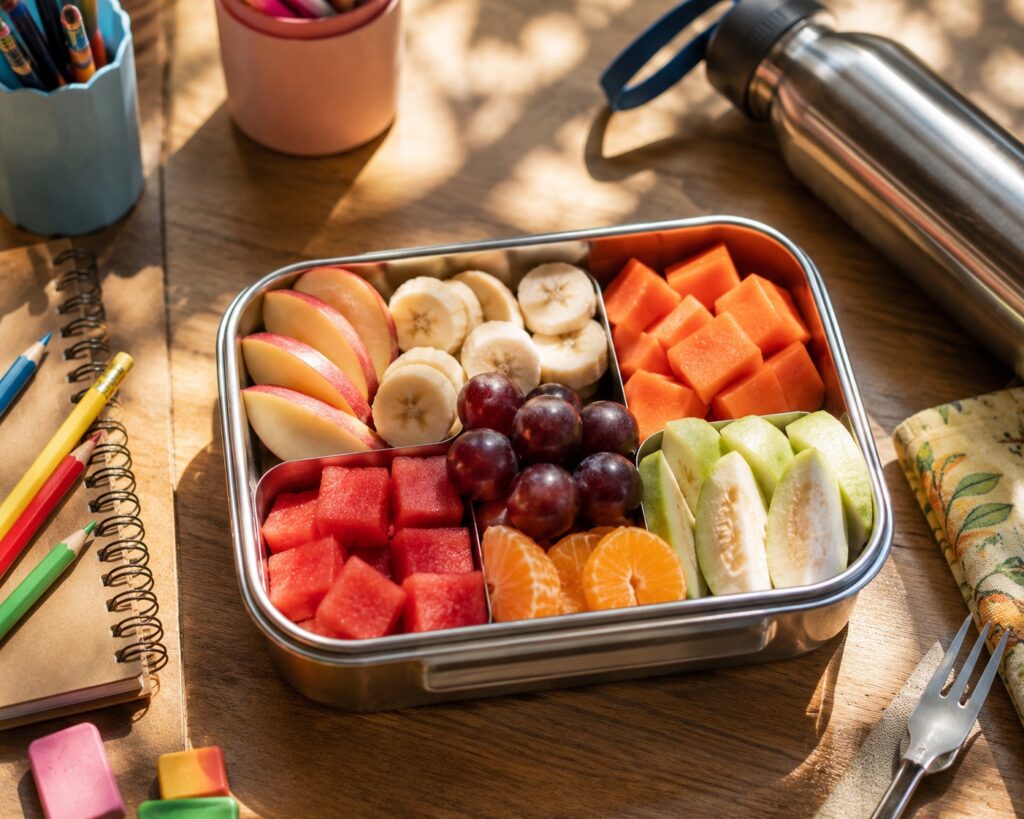
Many lunch boxes still include biscuits, chocolates, or packaged treats because they’re convenient.
While occasional treats are perfectly fine, fresh fruits can offer the same sweetness along with valuable nutrients.
Fruits provide vitamins, minerals, antioxidants, and fiber that support immunity and digestive health.
Lunch Box-Friendly Fruits
- Apples
- Bananas
- Papaya
- Watermelon
- Grapes
- Oranges
- Guava
- Seasonal fruits
A simple fruit box often takes less than two minutes to prepare but can significantly improve the nutritional quality of a meal.
One practical tip many parents find helpful is rotating fruits throughout the week. Variety makes lunch more appealing and prevents children from getting bored.
Healthy Fats Support Growing Minds
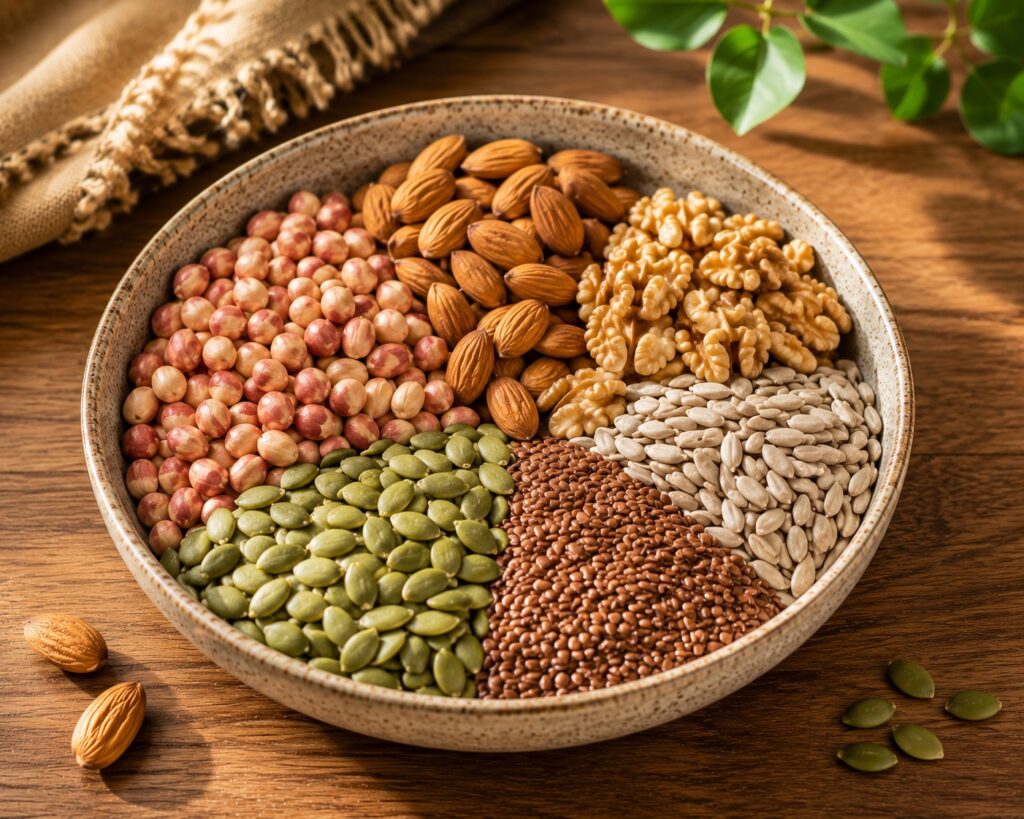
Healthy fats are often the forgotten component of a child’s diet, yet they play an important role in brain development and overall health.
They also help the body absorb certain vitamins more effectively.
Sources of Healthy Fats
- Almonds
- Walnuts
- Peanuts
- Pumpkin seeds
- Sunflower seeds
- Flaxseeds
- Homemade nut butters
A small portion is usually enough. Even a handful of roasted nuts or seeds can add nutritional value without taking up much space in the lunch box.
Parents should always keep age considerations and school allergy policies in mind when packing nuts.
Don’t Overlook Hydration
A carefully packed lunch loses some of its value if children aren’t drinking enough fluids during the day.
Hydration plays a key role in maintaining concentration, energy levels, and overall well-being.
Many children become so engaged in classroom activities and playtime that they simply forget to drink water.
Better Hydration Choices
- Plain water
- Homemade buttermilk
- Coconut water
- Fruit-infused water
- Unsweetened homemade beverages
Drinks Best Kept Occasional
- Soft drinks
- Highly sweetened packaged juices
- Energy drinks
Encouraging children to carry a reusable water bottle and refill it when needed can help establish healthy hydration habits that last beyond the school years.
A Reality Check for Busy Parents
Most parents don’t have the time to prepare elaborate lunch boxes every morning—and that’s completely understandable.
The good news is that healthy school lunches don’t need to look like social media posts.
Leftover dal from dinner, vegetable parathas prepared the night before, homemade idlis, poha, upma, or a simple paneer roll can all become nutritious lunch options when paired with fruit and adequate hydration.
The objective isn’t to create a perfect lunch box every day.
It’s to build a routine that consistently provides children with nourishing, balanced meals.
A Simple Weekly School Lunch Menu for Growing Children
Need inspiration for the week ahead? This weekly menu combines protein, whole grains, fruits, and hydration to help create a balanced school lunch that children can enjoy throughout the school week.
Monday
- Paneer vegetable wrap made with whole wheat roti
- Apple slices
- Roasted almonds
- Water bottle
Tuesday
- Vegetable pulao with homemade curd
- Seasonal fruit
- Buttermilk
Wednesday
- Moong dal cheela
- Cucumber and carrot sticks
- Banana
- Water bottle
Thursday
- Vegetable paratha with homemade curd
- Grapes
- Water bottle
Friday
- Idli with coconut chutney
- Mixed fruit cup
- Coconut water or water bottle
Conclusion
Building a balanced school lunch box doesn’t have to be complicated. In fact, some of the most nutritious meals are often the simplest, made with wholesome ingredients, familiar recipes, and a little planning.
By including a healthy combination of protein, complex carbohydrates, fruits, healthy fats, and proper hydration, parents can create meals that help children stay energized, focused, and ready to make the most of their school day. More importantly, these everyday choices can help establish healthy eating habits that stay with children well beyond the classroom.
At OMKITCHEN Just Organic, we believe that good nutrition begins with real, thoughtfully prepared food. Whether it’s a home-style meal, fresh seasonal produce, or wholesome ingredients free from unnecessary additives, the goal remains the same: providing nourishment that supports long-term health and well-being.
As families settle into the new school year, focusing on balanced, nutritious meals can be one of the simplest yet most impactful ways to support a child’s growth, learning, and overall development. After all, a well-packed lunch box isn’t just about satisfying hunger, it’s about helping children thrive every day.