

Over the past decade, Gurgaon has transformed into one of India’s most dynamic business destinations. From global corporations to rapidly growing startups, the city has become home to a workforce that is diverse, ambitious, and constantly evolving.
As companies compete to attract and retain top talent, workplace culture has become more important than ever. While discussions around company culture often focus on leadership, flexibility, and employee benefits, there’s another factor quietly influencing the workplace experience every day: food.
What employees eat, where they eat, and how meals are integrated into the workday can have a surprising impact on engagement, collaboration, and overall job satisfaction.
Across Gurgaon, businesses are beginning to recognize that workplace food programs are no longer just an operational necessity, they are becoming an important part of company culture.
Company Culture Is Built Through Everyday Experiences
When people think about company culture, they often picture team-building activities, annual events, or employee recognition programs.
In reality, culture is shaped by the small experiences employees have every day.
The morning coffee break. A quick conversation during lunch. Celebrating a project milestone with the team. Informal discussions that happen away from meeting rooms.
These everyday interactions play a significant role in how employees feel about their workplace.
Food naturally creates opportunities for these moments.
A shared meal often brings together people from different departments, encourages conversations that might not happen otherwise, and helps foster a stronger sense of community within the organization.
Gurgaon Workplaces Are Becoming More Employee-Centric
The expectations of today’s workforce have changed significantly.
Employees increasingly value workplaces that prioritize their well-being, convenience, and overall experience. This is particularly evident in Gurgaon, where companies are competing in highly competitive industries and talent-driven markets.
Modern professionals often spend eight to ten hours a day at work. For many, lunch is one of the few opportunities to step away from screens, recharge, and connect with colleagues.
As a result, organizations are paying closer attention to the quality of workplace dining experiences they provide.
Rather than viewing meals as a basic facility, businesses are beginning to see them as an extension of their employee experience strategy.
Food Brings Teams Together
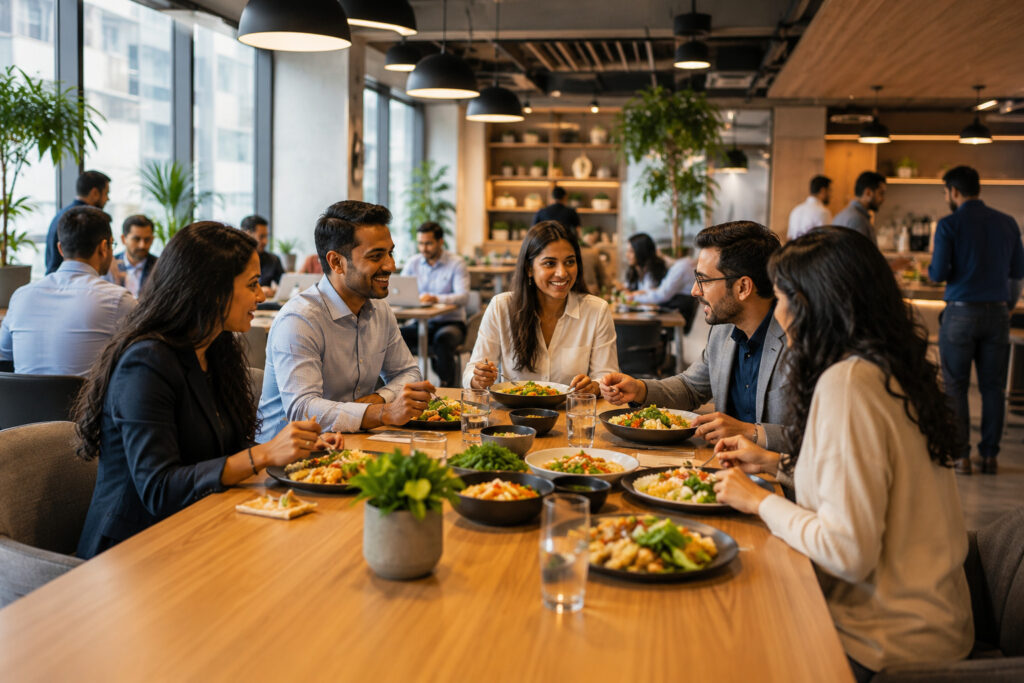
One of the most noticeable benefits of workplace food programs is their ability to encourage interaction.
In large organizations, employees can easily remain within their own teams and departments. Shared dining spaces and organized meal programs create opportunities for people to connect more naturally.
It’s not uncommon for conversations over lunch to lead to new ideas, stronger working relationships, or even solutions to workplace challenges.
These informal interactions help create a more collaborative environment, something that many Gurgaon-based businesses actively strive to build.
In a world where much communication happens through emails, messaging platforms, and virtual meetings, shared meals continue to provide a valuable human connection.
Workplace Dining Reflects Company Values
Employees often pay attention to details that organizations may overlook.
The quality of meals provided, the variety available, and the effort invested in employee well-being can all influence how employees perceive their employer.
When organizations offer thoughtfully planned food programs, it sends a message that employee comfort and health are important.
This doesn’t necessarily mean providing extravagant meals every day. In many cases, employees appreciate consistency, quality, hygiene, and balanced food options more than anything else.
Companies that prioritize these aspects often strengthen their employer brand from within.
The Growing Focus on Health and Wellness
Employee wellness has become a major workplace priority in recent years.
Many organizations in Gurgaon have introduced wellness initiatives that include fitness programs, mental health support, and flexible work arrangements. Food naturally forms an important part of this broader wellness conversation.
Employees today are more aware of nutrition than ever before.
Many actively seek:
- Balanced meals
- Fresh ingredients
- High-protein options
- Seasonal vegetables
- Lower-oil preparations
- Healthier alternatives to processed foods
Workplace food programs that accommodate these preferences can contribute to higher employee satisfaction and better daily energy levels.
While no meal can solve every workplace challenge, providing nutritious options demonstrates a commitment to employee well-being.
Celebrations and Food Go Hand in Hand
Every workplace has moments worth celebrating.
Festivals, birthdays, project completions, team achievements, onboarding events, and annual gatherings all contribute to company culture.
Food often plays a central role in these occasions.
In Gurgaon, where workplaces are increasingly diverse, curated meal experiences also create opportunities to celebrate different cultures, traditions, and cuisines.
Whether it’s a festive lunch during Diwali, a special menu for Independence Day, or a team lunch after a successful quarter, shared dining experiences help create lasting memories within the workplace.
These moments strengthen the emotional connection employees have with their organization.
The Rise of Curated Workplace Food Programs
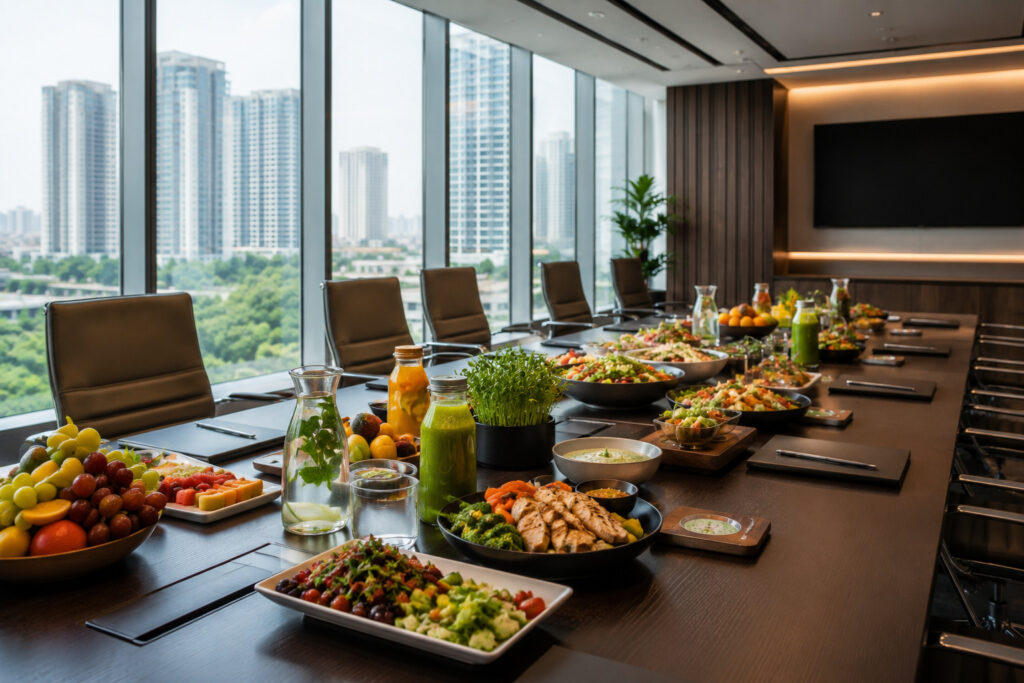
Traditional office cafeterias still serve an important role, but many companies are moving towards more flexible and curated dining solutions.
Employees increasingly appreciate:
- Rotating menus
- Greater meal variety
- Freshly prepared food
- Customizable meal options
- Seasonal offerings
- Health-conscious choices
This shift reflects a broader change in employee expectations.
People want workplace experiences that feel thoughtful rather than transactional, and food programs are becoming one way organizations deliver on those expectations.
What Successful Companies Understand
The most successful organizations recognize that company culture isn’t built through one-off initiatives.
It’s created through consistent experiences that employees encounter every day.
Something as simple as a well-organized lunch program can contribute to:
- Employee engagement
- Workplace satisfaction
- Team collaboration
- Positive employer perception
- Employee retention
While food may not be the only factor shaping culture, it often becomes one of the most visible and appreciated aspects of the employee experience.
Looking Ahead
As Gurgaon continues to grow as a leading business destination, workplace expectations will continue to evolve.
Employees increasingly expect organizations to invest in environments that support both productivity and well-being. Workplace food programs are likely to become an even more important part of that equation.
The future of office dining isn’t simply about feeding employees. It’s about creating experiences that encourage connection, support wellness, and strengthen workplace culture.
Conclusion
Company culture is often shaped by the moments that happen between meetings, deadlines, and daily responsibilities. Shared meals, informal conversations, and thoughtful dining experiences contribute more to workplace satisfaction than many organizations realize.
At OMKITCHEN, we’ve seen how quality workplace dining can bring people together and support a more positive office environment. As Gurgaon businesses continue to focus on employee well-being and engagement, workplace food programs are becoming more than a convenience, they are becoming an important part of how organizations build stronger, healthier, and more connected teams.
Because sometimes, culture isn’t created in the boardroom. It starts around the lunch table.